Buying industrial supplies in Panama has one particularity: almost everything is imported. That makes local availability as important a factor as price, because a cheap part that takes three weeks to arrive can cost far more in downtime than you saved on the purchase.
What should I have ready before ordering?
Most wrong purchases come down to one missing figure. Before ordering any hose or fitting, gather:
- Actual inside diameter, not the approximate nominal size.
- Maximum working pressure of the circuit, spikes included.
- Exact fluid: water, hydraulic oil, fuel, chemical, air, food product.
- Temperature of the fluid and of the environment where it is mounted.
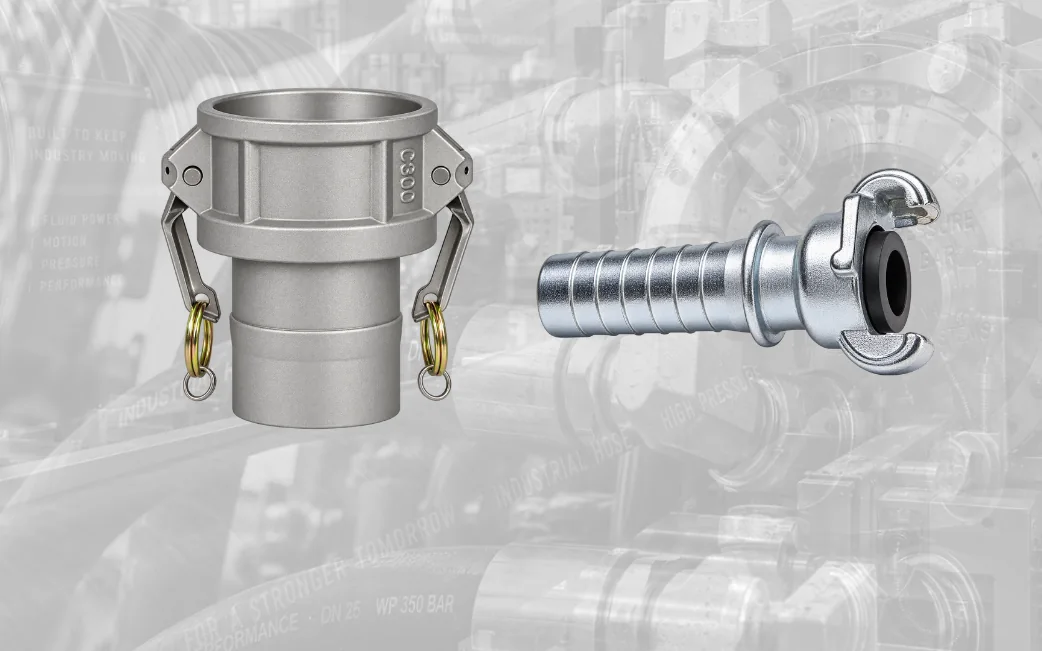
- Fitting type at each end: JIC, NPT, BSP, Camlock, Chicago.
- Length required, with installation slack already accounted for.
With those six figures, any serious supplier can quote exactly what you need without back and forth.
How do I identify a hose that is already installed?
Without dismantling it: read the cover marking. It normally carries the manufacturer, the standard —SAE 100 R2, for example—, the diameter and the maximum working pressure. It is the fastest and most reliable way to order the correct replacement.
If the marking has been erased by sun or abrasion, measure the inside diameter and photograph the fittings at both ends. That is usually enough to reconstruct the specification.
Why does local assembly matter so much?
A hydraulic hose is not simply bought by the metre: the correct fittings must be crimped onto it at the right pressure. A badly crimped assembly fails even when hose and fitting are correct.
Being able to bring in the damaged hose and leave with the assembled replacement the same day is, in practice, the difference between a few hours of downtime and several days. At YRVIMAR we assemble to spec at our location in Parque Lefevre, Panama City.
What should I look at besides price?
- Datasheet availability. If the supplier cannot give you the product datasheet, you cannot verify it meets what you need.
- Real stock in the country. Ask whether it is in the warehouse or has to be imported, and how long that takes.
- Technical advice. Someone telling you the part you asked for is not the right one saves more than a discount.
- Brand consistency. Sticking to a known line makes future replacement and part compatibility easier.
What conditions are specific to Panama?
Three local factors worth considering in your selection.
Humidity and salinity. A large share of industrial activity sits near the sea. In that environment, stainless steel in valves, clamps and couplings stops being a luxury and becomes the sensible choice.
Constant heat. It reduces the allowable pressure of components and accelerates ageing of covers exposed to the sun.
Rain and permanent humidity. They encourage corrosion in any steel reinforcement left exposed by abrasion.
How do I avoid buying the same spare twice?
If a hose fails twice at the same point, the problem is not the product but the installation: abrasion, insufficient bend radius, twist or vibration. Fixing the cause costs once; replacing the part costs every time. We expand on this in the preventive maintenance guide.
How we work at YRVIMAR
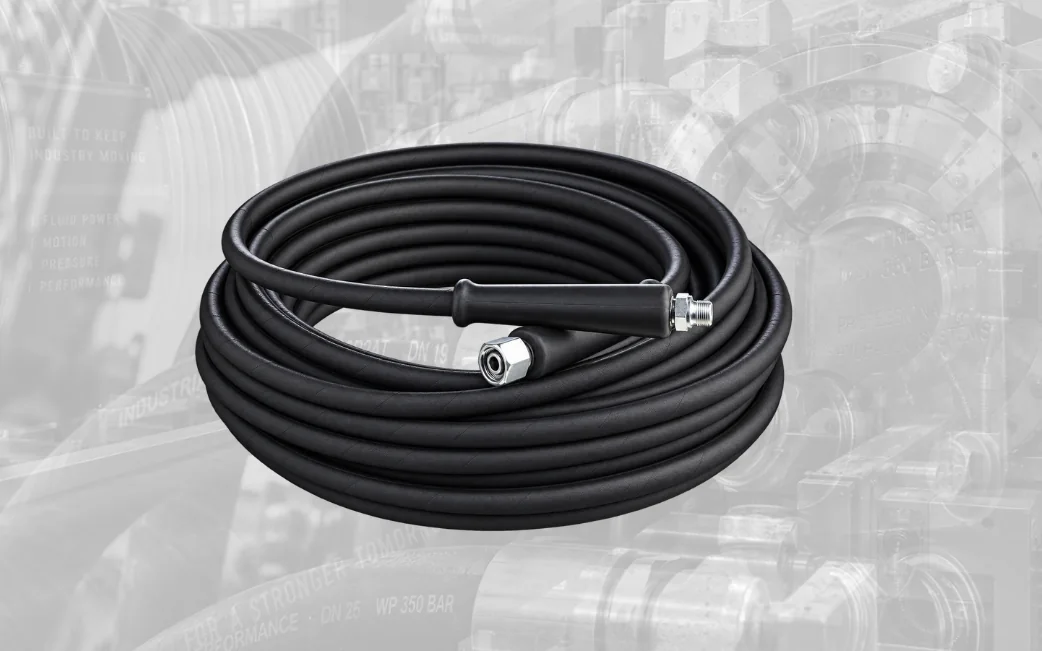
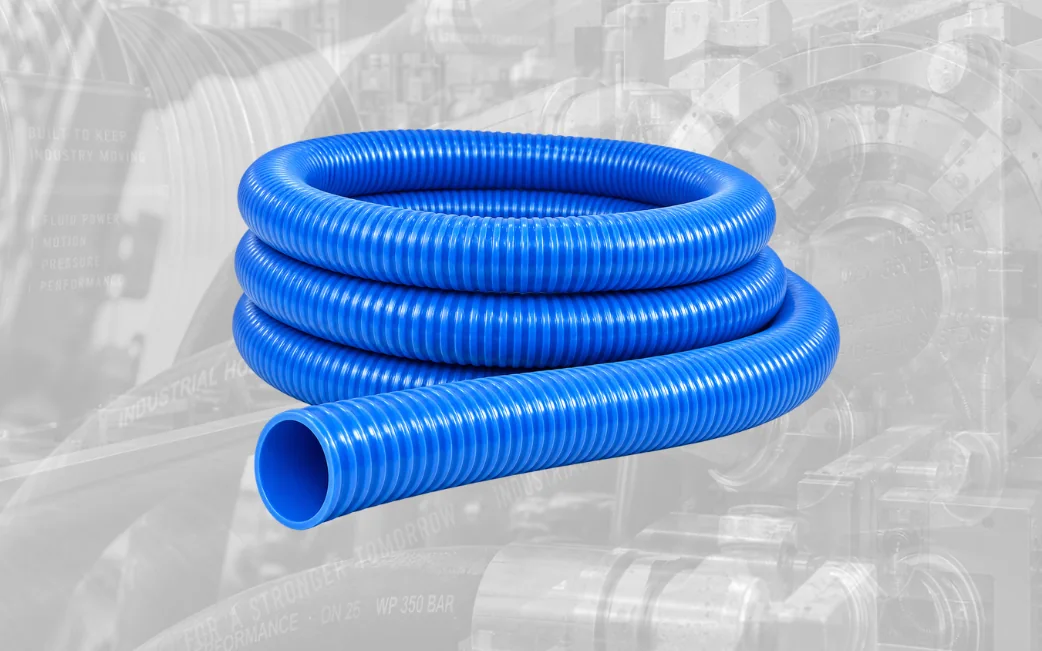
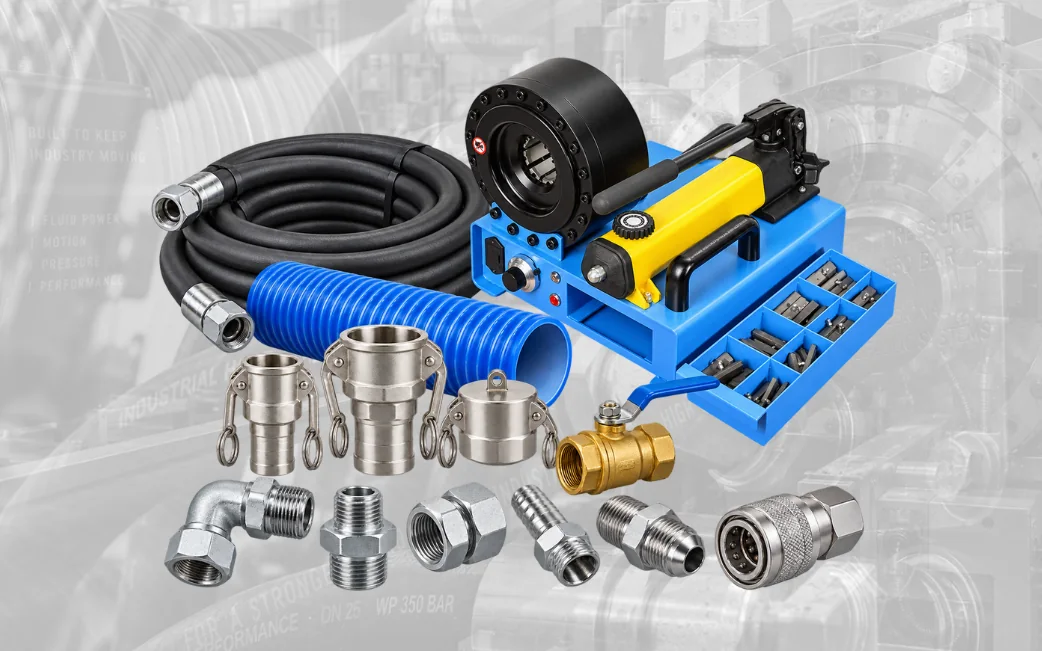
We are an industrial supplies distributor in Panama, with a catalog covering PVC hoses, rubber, hydraulic, industrial couplings, hydraulic fittings, valves and equipment and conveyor belts.
We do not publish prices online because most orders are made to spec: the quote depends on diameter, length and fittings. Message us on WhatsApp with the details above —or simply a photo of the part— and we will reply with the right option and its price.